
Family research
Tell us where family intention becomes difficult to act on.
Family research examines real decisions, practical barriers, trust, preparation and what would make a first or repeat visit feel possible.
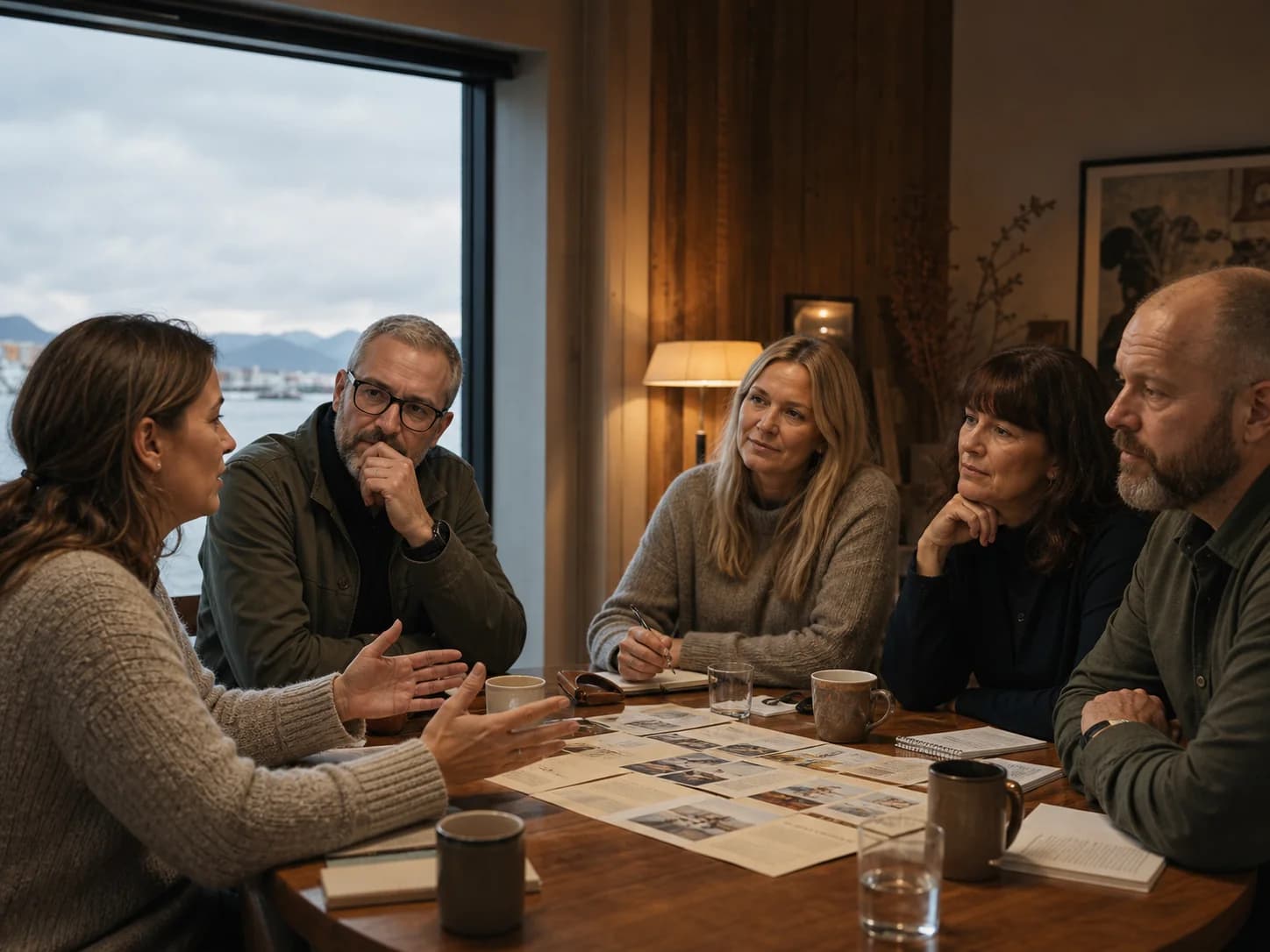
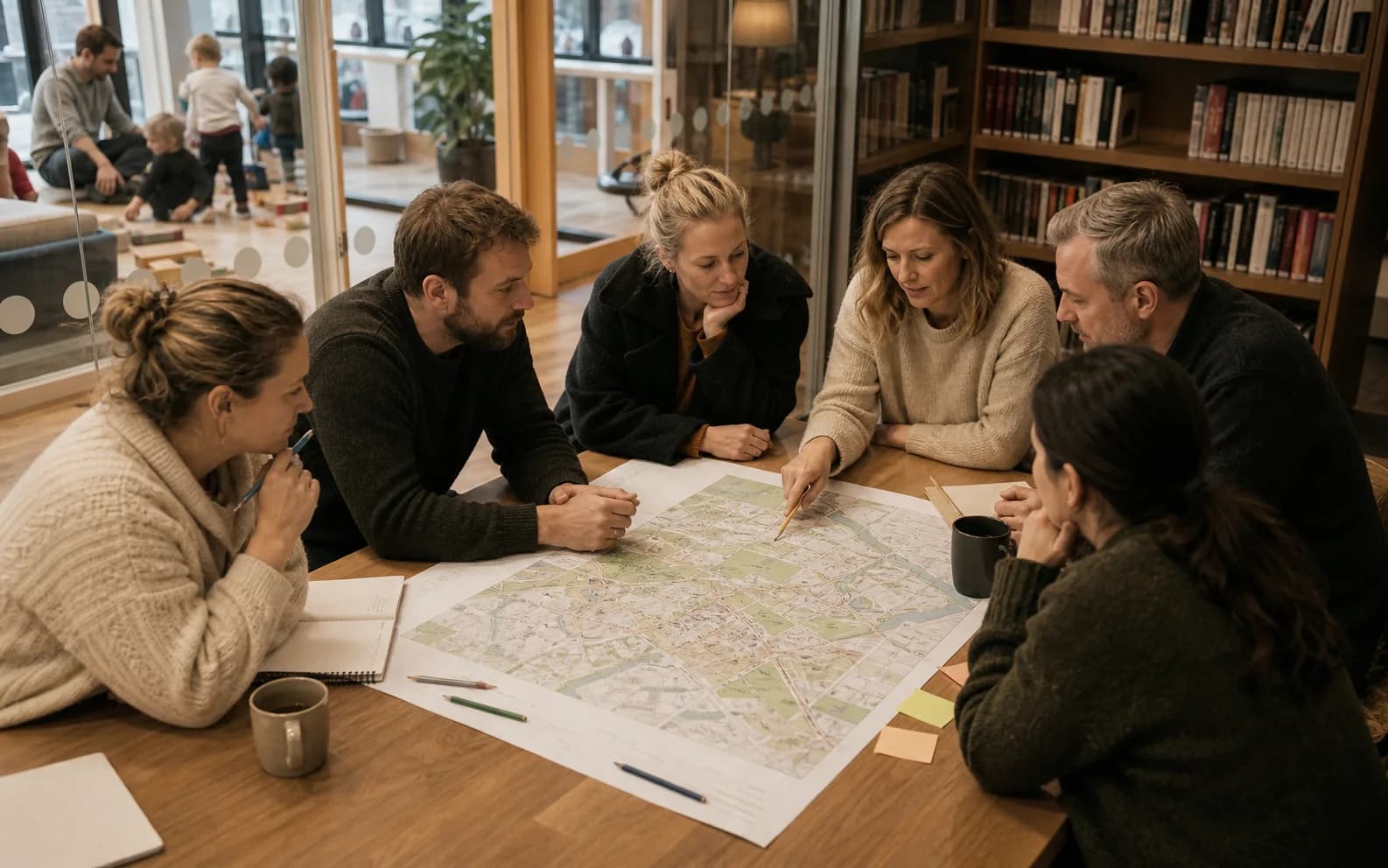
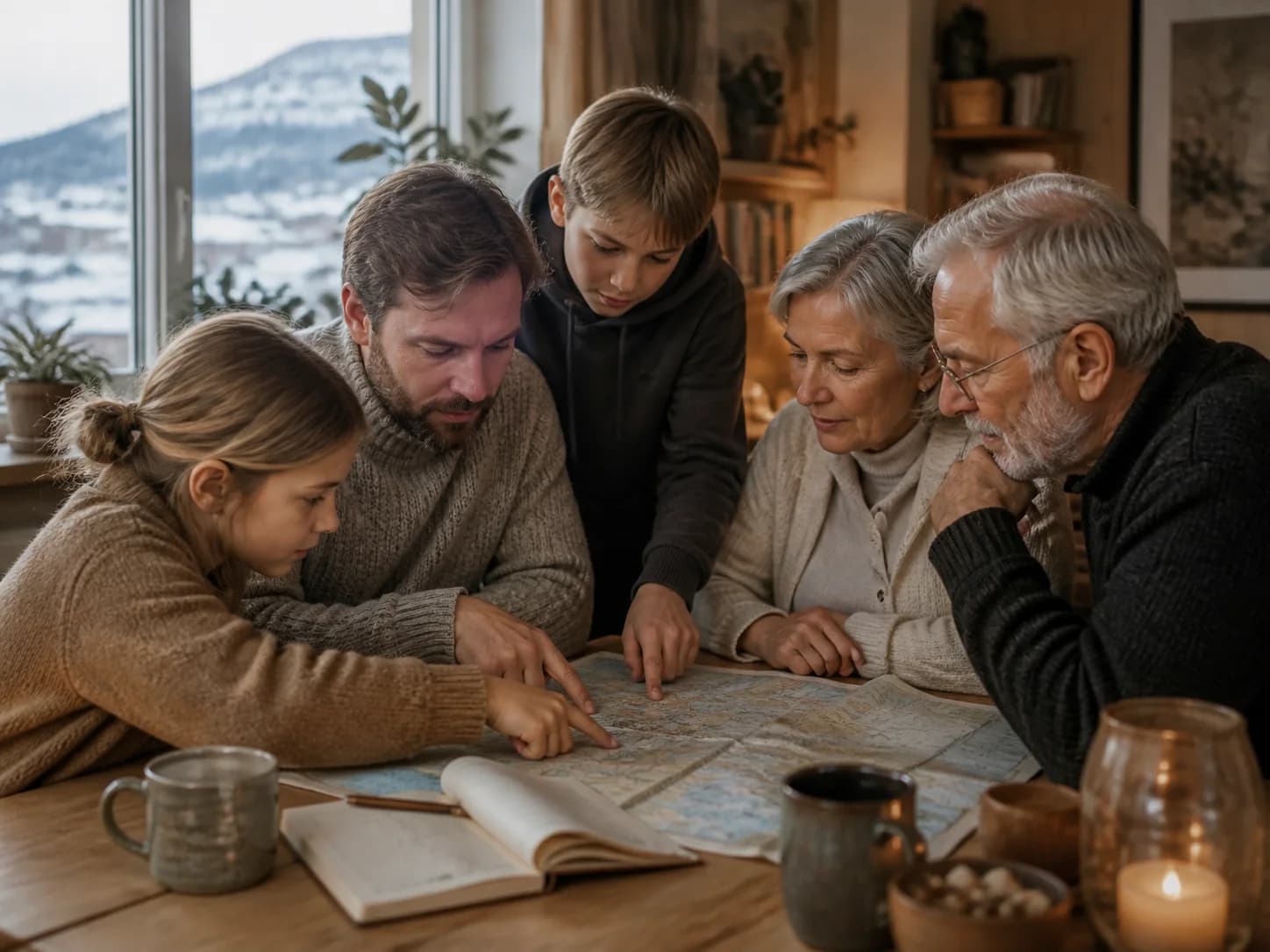
What we need to understand
The important questions often begin before a family leaves home.
Research should explore how families judge fit, time, cost, transport, equipment, accessibility, trust and the uncertainty of a first visit. It should also examine what makes returning feel possible after an initial experience.
The goal is to hear where Huddle’s assumptions fail, not to persuade families to approve the concept. Interviews, diaries or prototype tasks should be proportionate, optional and designed around adult control.
Family safeguards
No public child profiles and no hidden expansion of data use.
The research design must minimise personal data, separate guardian and child roles, avoid unnecessary sensitive questions and explain any recording or quotation use. Contact with children, if ever relevant, requires a separately approved safeguarding and consent model.
Recruitment remains pending until the protocol, data responsibility, eligibility, withdrawal and safeguarding contacts are approved. Family contributions are research input, not testimonials or proof of impact.
Different family contexts
A useful family study must include more than one version of everyday life.
Research should seek variation in household structure, age, disability, language, digital confidence, income pressure, transport, geography, care responsibilities and time. Co-parenting and shared-care arrangements may change who can decide, pay, travel, receive information or give permission.
These contexts should guide inclusive recruitment and scenario design; they must not become labels, family scores or hidden predictions about vulnerability. Huddle should learn which conditions change the journey without claiming to diagnose the household.
What a session may examine
Start with a recent decision and follow the work around it.
A session may reconstruct how a family found an opportunity, judged fit, checked cost and equipment, coordinated adults, prepared a child, travelled, handled uncertainty at the first visit and decided whether returning was realistic. Prototype tasks may test whether the same information becomes easier to understand and use.
Researchers should look for friction, workarounds and missing information as well as moments that already work well. The family is not expected to reveal a complete private history, and the purpose is not to assess parenting, health, eligibility or personal worth.
What the learning changes
Family research should change a decision, not decorate a presentation.
Outputs may include revised information fields, clearer preparation guidance, accessibility requirements, permission rules, a changed prototype flow or a decision to remove a proposed feature. Findings should identify who was not represented and which questions remain unanswered.
A positive interview is not evidence of demand, adoption, belonging or wellbeing. Claims about successful participation require a later, bounded study with a defined attempt, outcome, comparison and follow-up period.