Team
The strongest teams do not protect good ideas. They make them better.
Huddle is founder-led today. External specialist roles and contributions should be named only when scope and permission are confirmed; the team should grow where evidence and responsibility require it.

Founder-led today
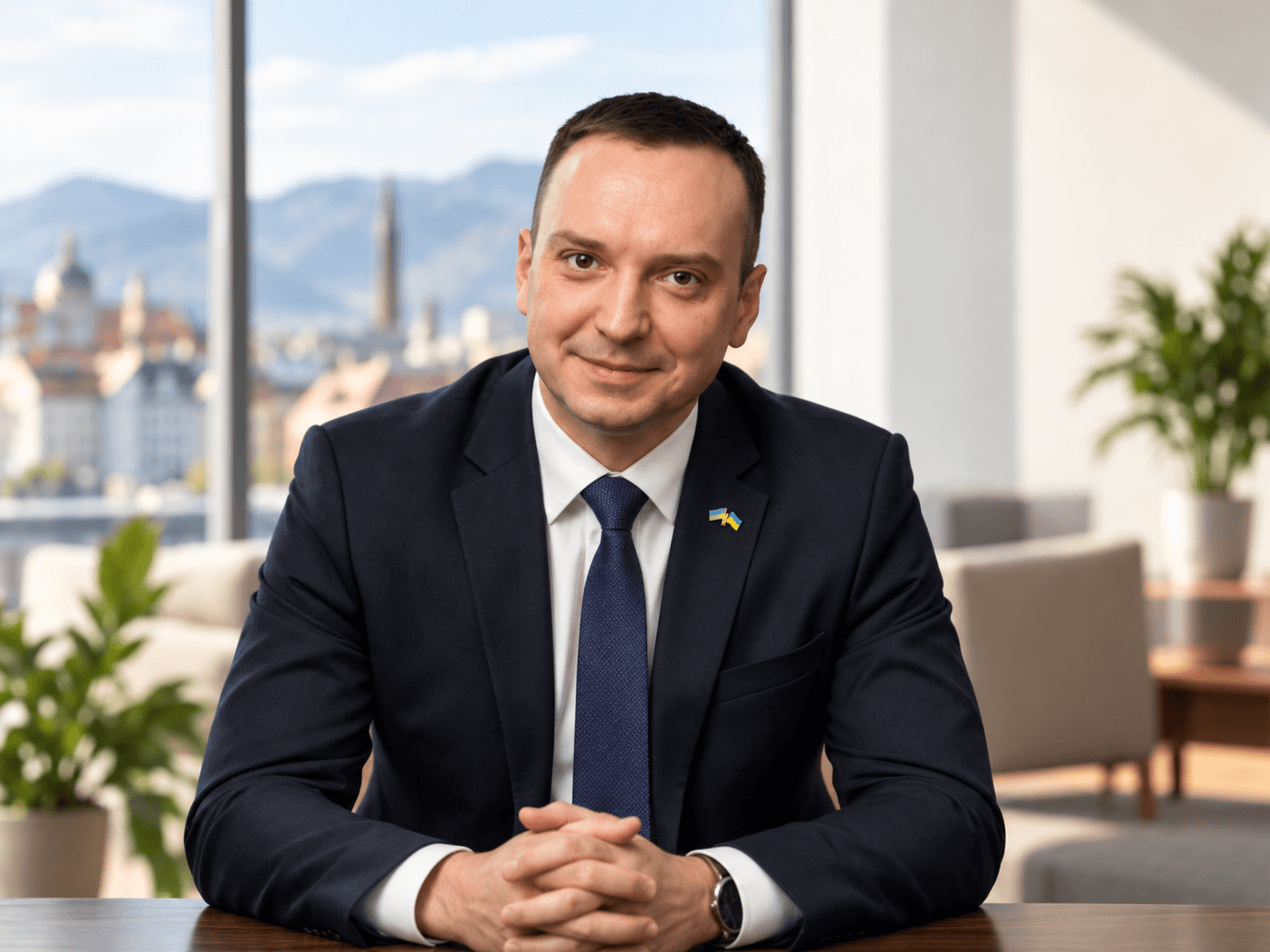
Alexander Dynnik — Founder, Huddle.
Alexander brings experience from company leadership, commercial development, team building and project work. The exact public chronology remains subject to documentary verification. As a father of two, he also knows the ordinary family reality behind Huddle: schedules, costs, transport, safety questions and limited energy on a Tuesday evening.
A systems perspective
The project looks for where the whole journey breaks, not only for one missing feature.
Professional experience in management and strategy shaped a habit of connecting people, processes, information, incentives and responsibility. Personal family experience revealed the question; wider research must find the answer.

The work today
Holding product, research, business and responsibility together.
The founder currently leads strategy and project development across product, research, business model, brand, partnerships, development and validation planning. The role is to protect the project’s purpose while each discipline pulls in a different direction.

Not built alone
The project requires independent specialist challenge.
Huddle needs specialist input across development, design, product, communication, research, privacy and child safeguarding. A contribution or name should be presented publicly only after the role, scope and permission are confirmed.
The team Huddle needs
A family ecosystem requires more than a product and engineering team.
The future capability model spans product, engineering, family research, privacy, safeguarding, child safety, accessibility, sport, culture, communities, public sector, business and evidence. Roles should be added when the work and accountability are real.

The culture
We need people who can challenge a good idea.
“Families do not behave like this.” “This will not work for a club.” “There is a risk to a child.” “We should not build this.” Such statements can be more valuable than another feature idea. The goal is not to defend the original concept; it is to make the final product better.