
Belonging and local connection
Participation becomes belonging when people can return.
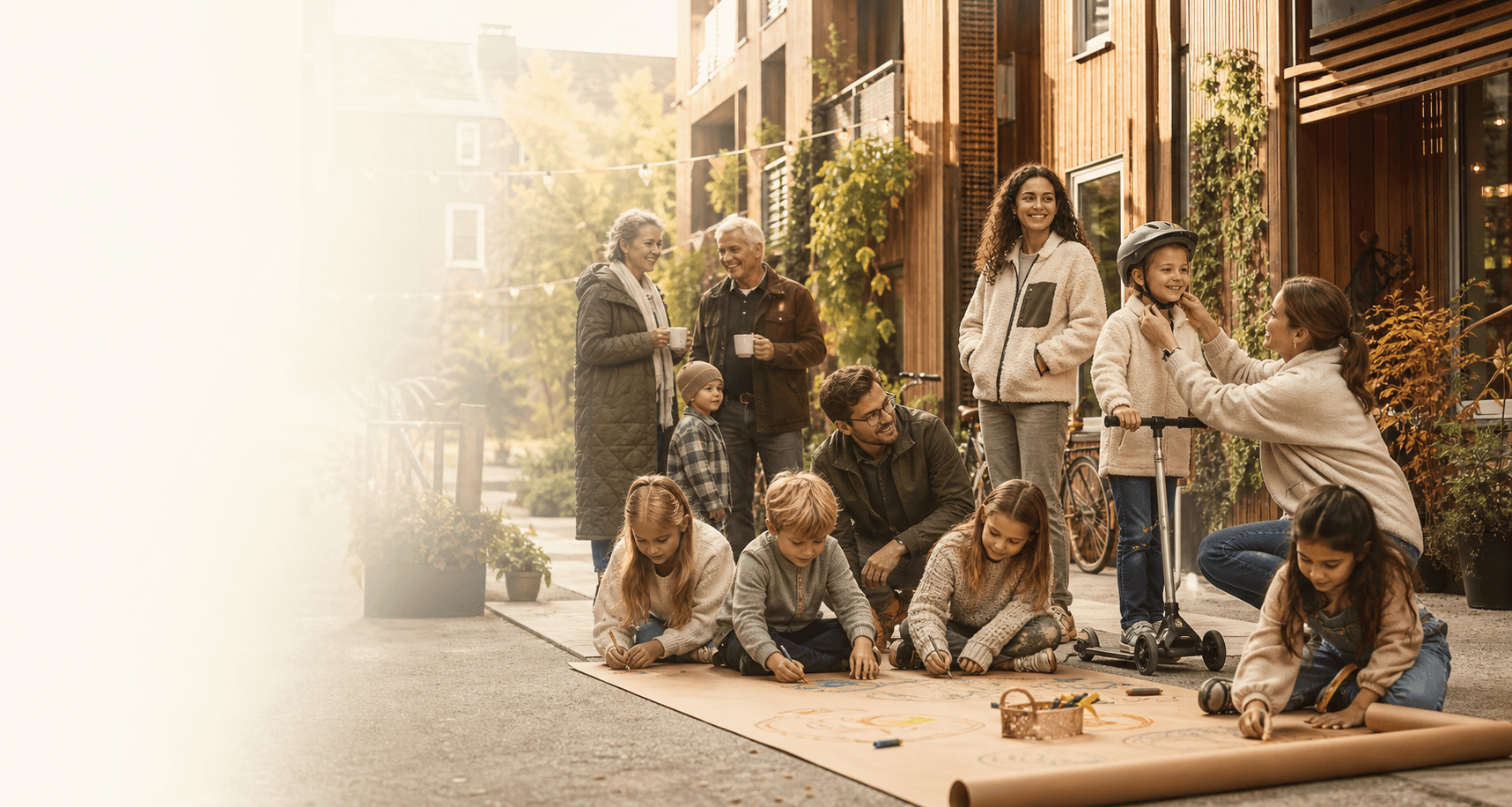
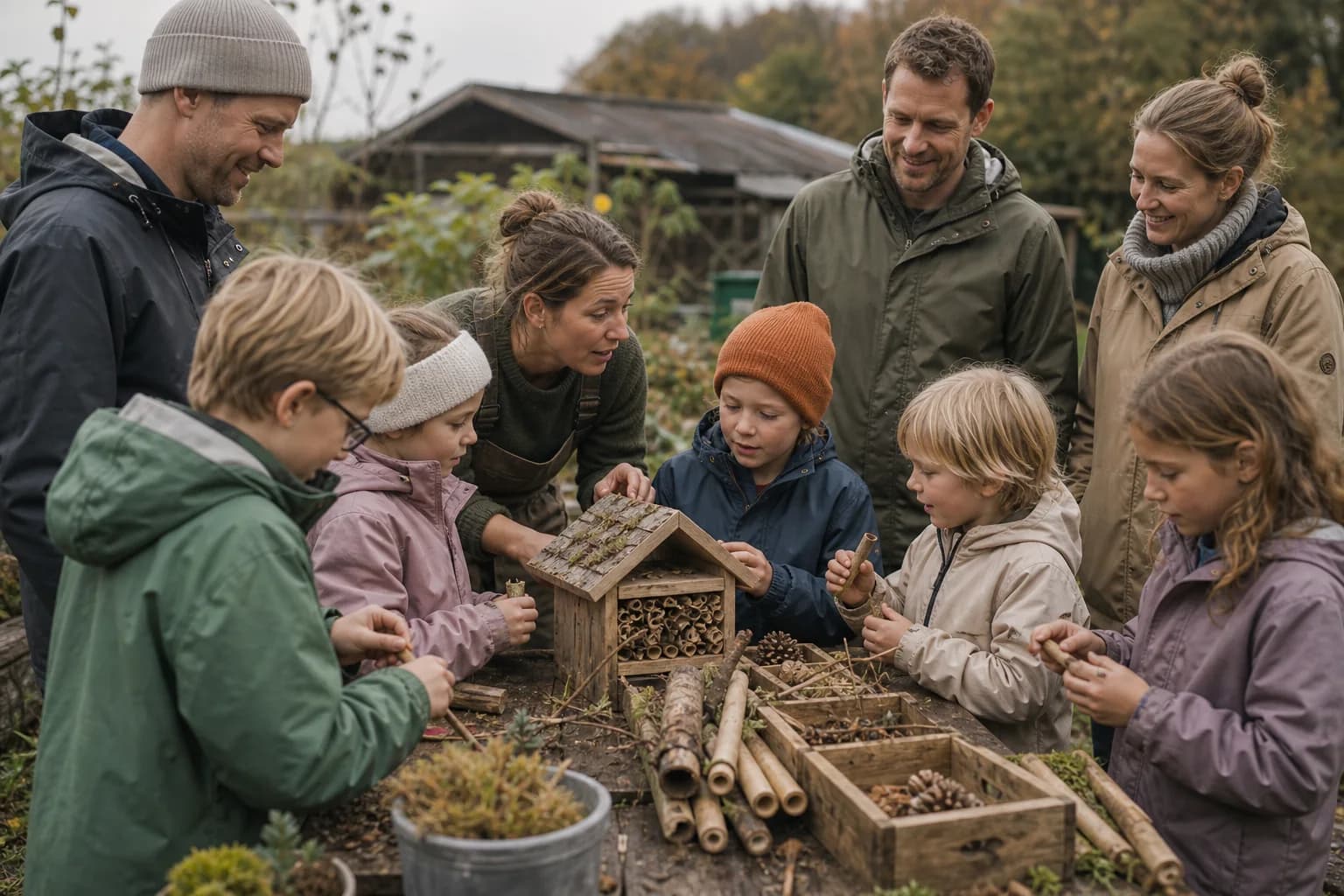
A first visit is a beginning. Familiar faces, shared routines, invitations and traditions can turn an event into a relationship.
Explain how repeated, prepared real-life participation can make places and people more familiar without promising friendship, wellbeing or belonging by algorithm.
Current boundary
The question
Attendance is a moment. Belonging takes return.
Discovery systems often stop at the listing or booking. Family life continues through preparation, participation, reflection and return.
The Huddle response
Design for recognition, continuity and reciprocity.
Huddle explores trusted circles, memories, saved places, repeated plans and gentle invitations that support continuity without addictive engagement loops.
Maturity and boundary
Connection cannot be guaranteed by software.
Belonging is relational and cannot be guaranteed, scored or purchased by a platform.
From participation to familiarity
A first visit becomes easier to repeat when the route, people and expectations are no longer unknown.
Belonging is usually built through ordinary moments: knowing where to enter, recognising a coach or another parent, understanding the routine and feeling that returning is welcome. These moments happen in real life, not inside a product metric.
Huddle may help a family remember practical details, share a plan and reconnect with a place or group it already knows. The purpose is continuity around participation, without streaks, pressure or public popularity scores.
A human outcome
Technology can support the conditions for connection, but it cannot manufacture relationships.
Huddle may explain shared context and help responsible adults coordinate. It cannot promise friendship, community acceptance or improved wellbeing, and it should not create public child profiles, open adult-to-child contact or hidden inference about vulnerability.
Future research should ask whether families feel more confident returning, whether organisations can welcome newcomers and whether digital support strengthens local relationships. Retention in the product is not the outcome; voluntary return to meaningful real life is.