
Return and belonging
A place becomes familiar when returning feels possible.
Huddle treats the period after a first visit as part of the participation journey, while keeping belonging outside product engagement metrics.
 Family contextPeople & trusted circlesActivities & placesPlans & preparationCommunityServices & experts
- Need / Intent
- Discover
- Understand
- Trust
- Decide
- Prepare
- Connect
- Participate
- Return
- Belong
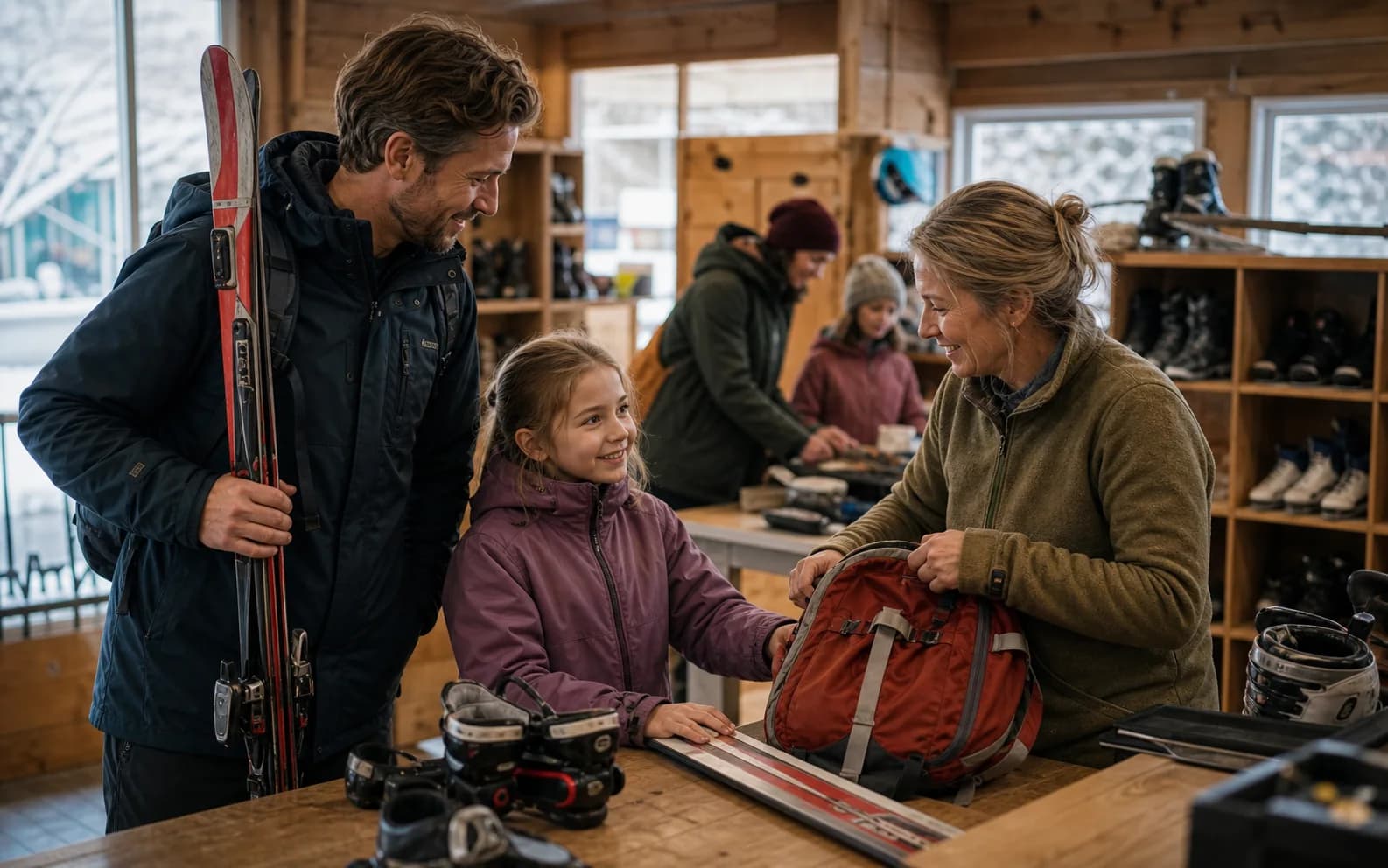
After the first visit
A simple reflection can help the family decide what should happen next.
The useful questions are practical and voluntary: did the information match reality, did the family feel prepared, what was difficult, what would make a return easier and does the family want any follow-up at all?
The family may choose to save a note, update a preference, contact the organiser or do nothing. A disappointing experience should be allowed to change the plan without pressure, streaks or loss-framed messaging.
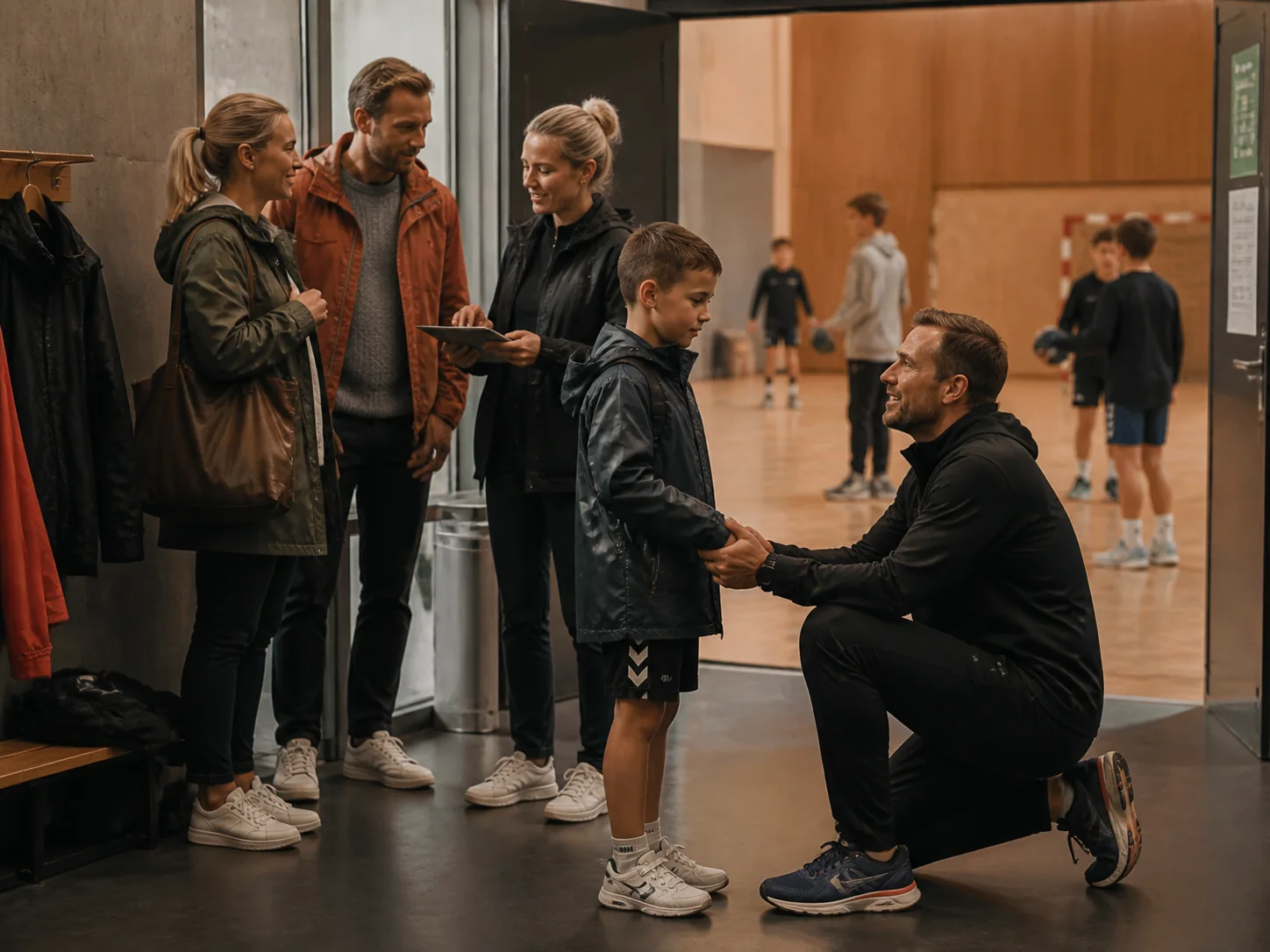
Support continuity
Returning becomes easier when expectations, relationships and practical details remain clear.
A future journey might preserve the organiser’s next confirmed date, the family’s chosen preparation notes and an adult contact connected to the real activity. It may also show another route when cost, transport, equipment or fit remains a barrier.
Organisers can support return by keeping schedules and welcome information current and by explaining how newcomers become regular participants. Huddle should support that relationship without claiming ownership of the community around it.
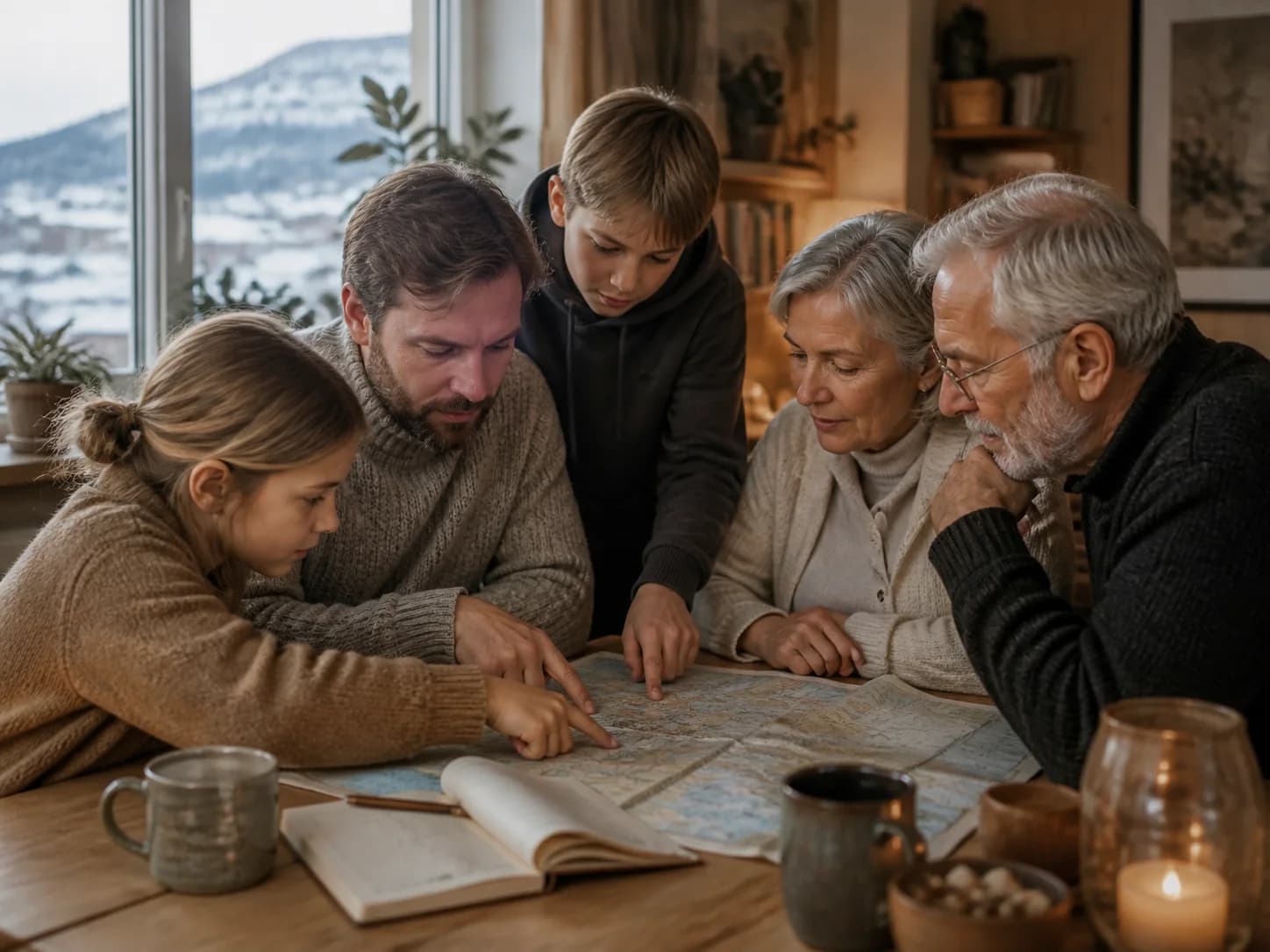
A human outcome
Belonging cannot be inferred from clicks, saved items or frequent product use.
Evaluation should look beyond product activity: whether a family returned by choice, recognised people, felt more prepared, encountered fewer barriers and experienced the place as more familiar. It must also record where Huddle made no difference.
Huddle does not claim improved belonging, retention, wellbeing or participation. No live return system or measured outcome is presented; the concept requires longitudinal, ethically designed research with families and local organisations.